
17-Day Tour of China: Shanghai, Wudang Mountain, Chengdu, Jiuzhaigou Scenic Area, Dujiangyan, Zhangjiajie, Beijing and Xi'an
|
Product information |
|||
|
Product number |
R0005567 |
Tour No. |
PVGPVG17 |
|
Package plan name |
Package A: MAX GROUP SIZE: 35 (Special offer on Saturdays) |
||
|
Departure city |
Shanghai |
||
|
Destination |
Shanghai |
Way location |
北京 |
|
Travel days |
17 Day 16 Night |
Transportation |
Vehicle |
|
Airport pick-up/drop-off |
Airport pick-up Airport drop-off |
Currency |
USD |
|
List of other plans |
|
Package C: MAX GROUP SIZE: 15 (departures on Mondays, Wednesdays, and Thursdays) Package B: MAX GROUP SIZE: 35 (regular price on Saturdays) |
|
Departure date |
|
Package A: MAX GROUP SIZE: 35 (Special offer on Saturdays) |
|
Tour introduction |
||||||||||||||||||||||||||||||||||
All day Complimentary Airport Pick-up on the first day of your tour: 12:00 and 18:00 at Shanghai Pudong International Airport (PVG), Shanghai Hongqiao International Airport (SHA). Please be noticed the listed time refers to the meeting time with our staff after claiming your baggage.
Meal Arrangements: Breakfast: At your own expense Lunch: At your own expense Dinner: At your own expense
Night Hotel: DoubleTree by Hilton Shanghai East Jinjiang; Shanghai Jing'an Kunlun Hotel; Jin Jiang Hotel; Wyndham Shanghai Pudong; similar
Morning Breakfast Breakfast Included Average expense:
Include two breakfasts per room
All day This morning we will visit China's largest city - Shanghai. Walking into Yu Garden, a national 4A-level tourist attraction, there are various pavilions, towering rocks, and green trees in the garden. Then we will go to the Chenghuang Temple, which is located in the old city of Huangpu District, Shanghai. It is an ancient temple with rich historical and cultural characteristics. After lunch, we will visit the Shanghai Museum. The collection of cultural relics in the museum includes 31 collections of bronze, ceramics, calligraphy and painting, sculpture, oracle bones, seals, currency, jade, furniture, weaving and embroidery, lacquerware, bamboo and wood tooth corners, and cultural relics of ethnic minorities, among which bronze, ceramics, calligraphy and painting are the most important. Then, we will proceed to the Shanghai French Concession. Finally, we will go to Nanjing Road Pedestrian Street and the Bund on the banks of the Huangpu River. The Bund is a symbolic scenic spot in Shanghai, and its essence lies in the architectural complexes of different countries and the night view of the Pujiang River.
Itinerary: Shanghai → Yu Garden (1 hour) → Town God's Temple (1 hour) → Shanghai Museum (1.5 hours) → Shanghai French Concession (1 hour) → The Bund & Nanjing Road Pedestrian Street (1.5 hours) → Hotel
All day Yu Garden Yu Garden is located in the northeast of the old city of Shanghai, adjoining with the City God Temple. It is a world famous classical garden in the southern Yangtze which was built more than 400 years ago in the Ming Dynasty. It is regarded as one of the representatives of the traditional culture in Shanghai. It displays the main features of traditional Chinese architecture with many rocks, trees, ponds, dragons, and zigzag bridges.
Town God‘s Temple of Shanghai Town God’s Temple of Shanghai or Temple of the City Gods, officially the City Temple of Shanghai, is a folk temple located in the old city of Shanghai. It commemorates the elevation of Shanghai to municipal status and is the site of the veneration of three Chinese figures honored as the city gods of the town.
Shanghai Museum The Shanghai Museum is a museum of ancient Chinese art, situated on the People's Square in the Huangpu District of Shanghai, China. Rebuilt at its current location in 1996, it is considered one of China's first world-class modern museums and famous for its large collection of rare cultural pieces. The museum has a collection of over 120,000 pieces, including bronze, ceramics, calligraphy, furniture, jades, ancient coins, paintings, seals, sculptures, minority art and foreign art. The Shanghai Museum houses several items of national importance, including one of three extant specimens of a "transparent" bronze mirror from the Han Dynasty.
Shanghai French Concession The Shanghai French Concession was a foreign concession in Shanghai, China from 1849 until 1943, which progressively expanded in the late 19th and early 20th centuries. The concession came to an end in 1943, when Vichy France under German pressure signed it over to the pro-Japanese Reorganized National Government of China in Nanjing. For much of the 20th century, the area covered by the former French Concession remained the premier residential and retail district of Shanghai and was also one of the centers of Catholicism in China. Despite re-development over the last few decades, the area retains a distinct character and is a popular tourist destination.
The Bund The Bund or Waitanis is a waterfront area and a protected historical district in central Shanghai. The area centers on a section of Zhongshan Road (East Zhongshan Road No.1) within the former Shanghai International Settlement, which runs along the western bank of the Huangpu River in the eastern part of Huangpu District. The area along the river faces the modern skyscrapers of Lujiazui in the Pudong District. The Bund usually refers to the buildings and wharves on this section of the road, as well as some adjacent areas. This region has a significant European influence, with the style of many structures most comparable to that of European cities, particularly Gothic, Baroque, Neoclassical, Romanesque, Art Deco, and Renaissance architecture.
Nanjing Road, Shanghai Nanjing Road is a road in Shanghai, the eastern part of which is the main shopping district of Shanghai. It is one of the world's busiest shopping streets, along with Fifth Avenue, Oxford Street, Orchard Road, Takeshita Street and the Champs-Élysées. Nanjing Road is the world's longest shopping district, around 5.5 km long, and attracts over 1 million visitors daily. As a century-old shopping street in Huangpu District, Shanghai, Nanjing Road was a witness of the city's history. Over time, it has been restructured, undergoing significant changes. Big traditional stores no longer dominate the market since modern shopping malls, specialty stores, theaters, and international hotels have mushroomed on both sides of the street.
Afternoon Lunch Lunch included
Night Dinner Dinner Special
Night Hotel: DoubleTree by Hilton Shanghai East Jinjiang; Shanghai Jing'an Kunlun Hotel; Jin Jiang Hotel; Wyndham Shanghai Pudong; similar
All day Today you will depart Shanghai and fly to Shiyan, the "Automobile City"—an industrial gem nestled amidst the Wudang Mountains. Enjoy the refreshing breeze carried by the Han River flowing through the city and gaze upon the shimmering waters of the Danjiangkou Reservoir. No tour guide accompanying on the plane. Lunch and dinner are at your own expense.
Meal Arrangements: Breakfast: Included at the hotel Lunch: At your own expense Dinner: At your own expense
Night Hotel: Wudang Mountain Narada Resort Hotel; similar
All day Today, we'll explore the scenic beauty of Wudang Mountain in depth. We'll then ascend by cable car to the summit, overlooking the sea of clouds and towering Taoist temples, and marvel at the majesty of "The First Immortal Mountain Under Heaven." We'll then visit the Zixiao Palace, immersing ourselves in the solemnity and tranquility of millennia-old Taoist traditions. In the evening, we'll check into the Narada Hotel Wudang Mountain, where we'll rest amidst the natural wonders and recharge for the next day's journey. This day will seamlessly blend martial arts practice, natural wonders, and cultural heritage.
Itinerary:
Note:
Meal Arrangements: Breakfast: Breakfast included Lunch: Lunch included Dinner: Dinner included
All day Taihe Palace Located atop Tianzhu Peak, the highest peak of Wudang Mountain, Taihe Palace is home to the "Golden Summit" of Wudang Mountain and its most iconic architectural complex, earning it the nickname "The Heavenly Terrace." Built during the Ming Dynasty, it served as the central venue for the imperial family's worship of the Great Emperor Zhenwu, and embodies the profound Taoist culture and architectural artistry of the Ming Dynasty. Ascending the Taihe Palace, you'll witness the gilded bronze Golden Hall, housing the majestic and awe-inspiring statue of Zhenwu, whose splendor remains undimmed after centuries. From the balcony, gaze out over the rolling sea of clouds and the rolling mountains, taking in the breathtaking spectacle of "Seventy-Two Peaks Facing the Great Summit." Here, you can experience the mystical majesty of Taoist culture while savoring the magnificent natural scenery of Wudang Mountain.
Tazipo Tazipo, also known as Fuzhen Temple, is one of the "Eight Temples" of Wudang Mountain and the best-preserved and largest Taoist temple on the mountain. It is known as a "treasure of Wudang Mountain's architectural art." It is the legendary place where the Great Emperor Zhenwu practiced as a youth and was a key part of the imperial Taoist temple during the Ming Dynasty. Here, you'll witness four distinctive landscapes: "One Li, Four Gates," "Nine-Bend Yellow River Wall," "One Pillar, Twelve Beams," and "Ten Miles of Osmanthus Fragrance." Entering the Prince's Hall, you'll be transported back in time as if to the prince studying. In the Patriarch's Hall, you can get up close and personal with the massive statues of Zhenwu and the Golden Boy and Jade Girl, immersing you in a unique blend of cultural and natural beauty.
Purple Heaven Palace The Purple Heaven Palace is the largest and best-preserved Ming Dynasty Taoist architectural complex still standing on Wudang Mountain, earning it the nickname "Forbidden City in the Clouds." As the premier of Wudang Mountain's eight major temples, it serves not only as the main hall for the royal family's worship of Zhenwu Emperor's parents but also as a vital venue for Taoist rituals. Its three-story hall, built into the mountainside, is magnificent, especially the main hall with its double-eaved hip roof, renowned for its precious nanmu wood and exquisite Ming Dynasty-era paintings. Here, you'll not only appreciate the grandeur of an imperial Taoist temple, but also gaze out from the platform at the magnificent "Purple Heaven" mountain scenery. Preserved relics within the palace, such as the Imperial Stele Pavilion and the Dragon and Tiger Hall, as well as the striking contrast between the autumn ginkgo trees and crimson walls, all speak to the rich history of this 600-year-old architectural complex.
or Nanyan Palace Nanyan Palace is one of Wudang Mountain's most iconic Taoist structures. Known as the "Immortal Palace on the Cliff," it is renowned for its precariousness, unique beauty, and unique character. It is a registered World Cultural Heritage site. It is the sacred place where the Great Emperor Zhenwu attained enlightenment and ascended to heaven. It carries profound Taoist cultural connotations and serves as a vital center for the dissemination of Taoist culture. Here, you can not only admire the perfect integration of Yuan Dynasty stone temples, such as Tianyi Zhenqing Palace, with natural caves, but also overlook the magnificent sea of clouds over the Nantianmen Gorge. At dawn and dusk, when the rosy glow of the setting sun illuminates the vermilion suspended temples, it resembles a celestial wonderland. The cliff carvings and ancient plum trees along the way add a touch of mystery, allowing you to journey through time and experience the spiritual charm of Taoism spanning six hundred years.
Night Hotel: Wudang Mountain Narada Resort Hotel; similar
Morning In the morning, we'll visit Yuzhen Palace, a temple dedicated to Zhang Sanfeng, the founder of Wudang martial arts. This temple holds a significant position in the history of Wudang Taoism and martial arts. Its simple and solemn architecture, with its blue bricks and gray tiles imbued with a sense of history, and relics related to Zhang Sanfeng preserved within the palace bear witness to the legacy of Wudang martial arts. Here, we'll experience the unique atmosphere that connects Taoist culture with the essence of martial arts, and savor its profound heritage as a key landmark. We'll also learn Tai Chi health-preserving exercises from a Tai Chi master, beginning our journey into the mind-body harmony of martial arts. In the afternoon, we'll depart for Taiji Lake Ecological Pier and embark on a scenic boat tour of the mountains. The boat will sail over the shimmering waters of the Danjiangkou Reservoir, offering breathtaking views of the Golden Summit of Tianzhu Peak and the Seventy-two Peaks facing the Great Summit. We'll then visit the Yuxu Palace scenic area. As the largest of the Nine Palaces and Eight Temples of Wudang Mountain, Yuxu Palace was once a sacred place for imperial monasticism during the Ming Dynasty. Its red walls and emerald tiles reveal 600 years of history. We especially recommend taking photos in front of the Yongle Emperor's Imperial Stele Pavilion. After dinner, we'll transfer to Wudang Mountain Airport for your evening flight to Chengdu, concluding this fulfilling day.
Itinerary: Yuzhen Palace+Tai Chi Health Training (1.5 hours) → Tai Chi Lake Cruise (1.5 hours) → Yuxu Palace (1 hour) → Flight from Wudang Mountain Airport to Chengdu (Economy class airfare included, No tour guide accompanying on the plane.)
Flight Info: WDS 9:00 PM → TFU 10:45 PM
Meals Included: Breakfast: Hotel buffet
Morning Yuzhen Palace Yuzhen Palace is a significant temple on Wudang Mountain. Built in commemoration of Zhang Sanfeng, the founder of Wudang martial arts, it holds a significant position in the history of Wudang Taoism and martial arts. Its architecture is simple and dignified, its blue bricks and gray tiles exuding a rich sense of history. Relics related to Zhang Sanfeng preserved within the palace bear witness to the legacy of Wudang martial arts. It serves as a key landmark connecting Taoist culture with the essence of martial arts, attracting countless visitors seeking to explore the roots of Wudang culture.
Taiji Lake Cruise The Wudang Mountain Taiji Lake Cruise takes you on a dream journey. Cruise across the vast, crystal-clear Taiji Lake, surrounded by mountains, creating a picturesque scene. Along the way, admire the scenic beauty of the Ancient Waterway and Pine Ridge, and even visit Happy Island to experience the meadow carnival. Enjoy the gentle breeze aboard a luxury yacht or leisure boat, listen to commentary, and experience the magnificent mountains, rivers, and culture of Wudang. Experience the beauty, romance, and joy of Wudang Mountain, fulfilling your dream of exploring the mountains and rivers.
Yuxu Palace Yuxu Palace is the largest Taoist architectural complex in Wudang Mountain, known as the "Wudang Forbidden City." As the first imperial palace built during the Ming Dynasty, it served as the administrative center for Wudang Mountain Taoism. Its grand scale bears witness to the historical splendor of "building the Forbidden City in the north and renovating Wudang in the south." As you stroll through the ruins, you'll see remnants of dragon-patterned stone carvings, the mottled base of the Beishi stele, and ancient pines and cypresses, creating a striking contrast. The setting sun casts a golden glow on the ruins' red walls, adding to their majestic beauty. Despite the ravages of time, this site, spanning over 100,000 square meters, still evokes the vibrant splendor of its former "recluse of immortals."
Night Hotel: Grand Mercure Chengdu East; Crowne Plaza Chengdu Tianfu New Area by IHG; similar
All day After breakfast, we'll depart from Chengdu by high-speed rail for the Huanglong Scenic Area, embarking on a day trip to the Huanglong Wonderland. After ascending the mountain by cable car, we'll board a sightseeing electric car to the Five-Colored Pond. Along the way, you'll admire the Huanglong Scenic Area's renowned "Seven Wonders" and marvel at the wonders of nature. Near the Five-Colored Pond, you'll also find Huanglong Cave, Yuwang Temple, and Huanglong Ancient Temple. After our visit, we'll return to the mountain by cable car, where we'll be transferred to the hotel for dinner and a chance to recharge for tomorrow's adventures. Today, we depart from Chengdu for the Leshan Giant Buddha—a national 5A-level tourist attraction. Also known as Lingyun Grand Buddha, it is carved into the cliff face on the east bank of Min River in Leshan City, Sichuan Province, overlooking the confluence of Dadu River, Qingyi River, and Min River. This 71-meter-tall seated statue of Maitreya Buddha represents China's largest stone cliff sculpture and forms part of Mount Emei-Leshan Giant Buddha UNESCO World Cultural & Natural Heritage site. Subsequently, we will proceed to Mount Emei, concluding today's itinerary at Baoguo Temple.
March-September and November-December Itinerary: Reference High-speed Rail Train Information: C5762 9:39-11:12 Chengdu East - Songpan County
October Itinerary:
Morning Transportation:From Chengdu to Huanglong Scenic and Historic Interest Area Travel distance:426km Travel time: 4Hour
Afternoon Huanglong Scenic and Historic Interest Area Located in Songpan County, Aba Tibetan and Qiang Autonomous Prefecture, Sichuan Province, Huanglong Scenic Area covers an area of 700 square kilometers. It is China's only well-preserved plateau wetland, known as a "wonder of the world" and "a fairyland on earth." It was listed as a World Heritage Site in 1992. Huanglong Scenic Area is renowned for its "Four Wonders"—colorful pools, snow-capped mountains, canyons, and forests. Together with rapids, ancient temples, and folk customs, it is known as the "Seven Wonders." The scenic area comprises Huanglong Valley, Danyun Gorge, Muni Valley, Xuebaoding, Xueshan Ridge, Hongxing Rock, and Xigou. The main attraction is Huanglong Valley, approximately 3.6 kilometers long, with terraced travertine deposits. The area is also home to many endangered species, including giant pandas and Sichuan golden monkeys.
Afternoon Transportation:From Huanglong Scenic and Historic Interest Area to Hotel Travel distance:103km Travel time: 2Hour
Morning Huanglongxi Ancient Town Located on the southwestern edge of Shuangliu District, Chengdu, Sichuan Province, China, Huanglongxi Ancient Town boasts a history of over 2,100 years and is considered one of China's famous historical and cultural towns. Located at the confluence of the Luxi River into the Jinjiang River, Huanglongxi Ancient Town has been a key stop on the Jinjiang waterway since the Han Dynasty. Huanglongxi Ancient Town still retains its well-preserved ancient town layout and numerous traditional folk customs. The Huanglongxi Fire Dragon Lantern Dance and the "Fuhe Haozi" (Fuhe Haozi) have been designated as national intangible cultural heritage of China. Visiting this place feels like stepping back in time and experiencing the small town life of yesteryear.
Afternoon Transportation:From Huanglongxi Ancient Town to Leshan Giant Buddha Travel distance:120km Travel time: 2Hour
Afternoon Leshan Giant Buddha The Leshan Giant Buddha, also known as the Lingyun Giant Buddha, is located on the rock face of Qixia Peak on Lingyun Mountain, at the confluence of the Minjiang, Qingyi, and Dadu Rivers in Leshan City. Designated a UNESCO World Cultural and Natural Heritage Site, it features a seated Maitreya Buddha statue and is a masterpiece of Tang Dynasty cliff carving. The Leshan Giant Buddha was carved during the Tang Dynasty and completed over 90 years by three generations of craftsmen. Standing approximately 70 meters tall, it is a colossal stone statue of a seated Maitreya Buddha. Marvel at the majestic Leshan Giant Buddha and marvel at the ancients' ability to create such a magnificent statue without the aid of modern tools. The Leshan Giant Buddha has long been a sacred Buddhist site. Before the enormous statue, clasp your hands together and peacefully pray for peace and health for yourself, your family, and your friends.
Baoguo Temple (Emei Mt.) Baoguo Temple, located not far from the main gate of Mount Emei, was built during the Wanli period of the Ming Dynasty. It serves as the entrance to the mountain and the starting point for most visitors to the Emeishan Scenic Area. The plaque "Baoguo Temple" above the temple gate was inscribed by Emperor Kangxi of the Qing Dynasty. It is also the center of Buddhist activities on the mountain. The main halls include the Maitreya Hall, the Main Hall, the Seven Buddha Hall, and the Samantabhadra Hall, each rising higher than the last. Upon entering the main gate, the first hall is the Maitreya Hall, housing a statue of Maitreya. The second hall is the Main Hall, housing a golden statue of Sakyamuni seated on a lotus. Further up the stone steps is the Seven Buddha Hall, where seven Buddhas are enshrined. Beneath the Seven Buddha Hall stands a fourteen-story copper Huayan Pagoda, built during the Wanli reign of the Ming Dynasty. Enshrined within the pagoda are 4,700 small Buddha statues and the complete text of the Avatamsaka Sutra. The final hall is the Samantabhadra Hall, dedicated to Samantabhadra Bodhisattva. Because Mount Emei is Samantabhadra's sanctuary, he is enshrined in the hall behind.
Night Hotel: Hilton Jiuzhaigou Resort; Howard johnson tianyuan resort; Century Sunshine Hotel Emeishan; similar
All day Today, we'll travel to Jiuzhaigou National Park, known as "China's Most Beautiful Place," and spend a full day exploring this vast, hidden gem. Upon entering the scenic area, we'll board an eco-friendly sightseeing bus, hopping on and off at designated stops, and travel the scenic area's "Y"-shaped route. Along the way, we'll pass numerous wonders: Changhai Lake, the largest lake in Jiuzhaigou, boasts a perpetually vibrant Changhai Lake, a lake with no outlet yet never dries up; Wuhua Lake, known as the "Eye of Jiuzhaigou," boasts a vibrant, multicolored pool that never freezes in winter and changes color throughout the seasons; Mirror Lake, where, in calm mornings, its surface reflects the snow-capped mountains and forests, creating the illusion of "fish swimming in the clouds"; and Shuzheng Waterfall, a 110-meter-wide waterfall, its thunderous cascade plunging into a deep valley, a breathtaking spectacle. At the end of the day, enjoy a traditional Tibetan meal before boarding the high-speed train back to Chengdu, once again experiencing the speed of China. Mount Emei’s Golden Summit (Jinding)-Today, you’ll ascend to the Golden Summit, the crown jewel of Mount Emei and a sacred site revered as the “Buddhist Kingdom Paradise.” This UNESCO World Heritage Site is the spiritual home of Samantabhadra Bodhisattva, whose towering four-faced, ten-direction golden statue gleams at the summit—making it the tallest golden Buddha in the world.
Itinerary: Reference Train Info: C5758 Departs from Huanglongjiuzhai Station at 20:30 - Arrives at Chengdudong Station at 22:25
September Itinerary:
Meals:
All day Jiuzhaigou Valley Scenic and Historic Interest Area Jiuzhaigou Valley Scenic and Historic Interest Area is located in Jiuzhaigou County (formerly Nanping County), Aba Tibetan and Qiang Autonomous Prefecture, in northern Sichuan Province, China. The area is named after the nine Tibetan villages within the valley: Shuzheng, Heye, Zechawa, Panxin, Heiguo, Panyazhu, Guwa, Pengbu, and Jianpan. The Jiuzhaigou River system flows through the Baihe River, Baishui River, and Jialing River before merging into the Yangtze River. Jiuzhaigou is a World Natural Heritage Site, a National Key Scenic Area, a National 5A Tourist Attraction, a National Nature Reserve, a National Geopark, and a member of the World Biosphere Reserve Network. It is also China's first nature reserve primarily dedicated to the preservation of natural scenery. Jiuzhaigou is renowned both in China and abroad, with Easterners calling it a "paradise on earth" and Westerners hailing it as a "fairy tale world."
Night Transportation:From Jiuzhaigou to Chengdu Travel distance:420km Travel time: 4Hour
All day Emei Mt. Jinding The Golden Summit is the summit of Mount Emei. The four-faced, ten-direction golden statue of Samantabhadra Bodhisattva atop it is a must-see for many visitors to Mount Emei. The four-faced, ten-direction golden statue of Samantabhadra is the tallest golden Buddha in the world and the first of its four-faced, ten-direction artistic representations. Behind the statue of Samantabhadra Bodhisattva, Huazang Temple boasts three main halls. The third hall, the Samantabhadra Hall, also known as the Golden Hall or "Golden Summit," is the tallest hall on Mount Emei. Plaques on the entrance read "Golden Summit," "Endless Vows," and "Grand Dignity of Huazang." Inside, a bronze statue of Samantabhadra riding an elephant is enshrined. When viewing the sea of clouds from the Golden Summit of Emei, white clouds slowly rise from the mountains and valleys. Suddenly, a vast sea of clouds, like a snow-white velvet blanket, stretches out across the horizon, smooth, thick, and boundless, as if resting in deep sleep. Sometimes, clouds appear on the horizon and in the sky, and standing between them creates a sense of ethereal ecstasy.
Afternoon Transportation:Return to Chengdu from Emei Mt. Travel distance:175km Travel time: 2Hour 30Minute
Night Hotel: Sheraton Chengdu Lido Hotel; Crowne Plaza Chengdu Tianfu New Area by IHG; similar
All day Today’s journey blends ancient engineering marvels with literary heritage. Begin with a visit to the Dujiangyan Irrigation System, a 2,000-year-old waterworks masterpiece that still nourishes the Chengdu Plain. Then, step into the tranquil world of Du Fu Thatched Cottage, the former home of China’s beloved Tang Dynasty poet.
Itinerary:
Meals Arrangement:
Morning Transportation:From Chengdu to Dujiangyan Travel distance:71km Travel time: 1Hour 20Minute
All day The Dujiangyan Irrigation System The Dujiangyan Irrigation System, located on the main stream of the Minjiang River west of Dujiangyan City, was built around 256 BC by Li Bing, the prefect of Shu Commandery during the Qin Dynasty, and his son. It is one of the most well-preserved ancient water conservancy projects in China. The project consists of three main components: the Yuzui Diversion Dike, the Feishayan Spillway, and the Baopingkou Water Diversion Inlet, along with ancillary works such as the Baizhang Dike and the Renzi Dike. These divert water from the turbulent Minjiang River into the Outer River and the Inner River, allowing floodwaters to be drained from the Outer River and diverted for irrigation, transforming the western Sichuan plain into a "land of abundance." "Yuzui" is the Dujiangyan water diversion project, named for its fish[1]like shape. Located in the center of the Minjiang River, it divides the river into two. The western side, known as the Outer River, commonly known as the "Golden Horse River," is the main stream of the Minjiang River and primarily used for flood drainage. The eastern side, known as the Inner River, is an artificial water diversion conduit for irrigation. The Feishayan diversion works primarily to allow excess water to overflow from the Feishayan dike when the Inner River exceeds the Baopingkou flow limit. In the event of a major flood, the dike can also breach, allowing a large amount of water to return to the main Minjiang River. While seemingly unassuming, it bears the heavy responsibility of preventing floods and serves as a protective barrier for Yuzui and Baopingkou. Baopingkou, serving as a "regulating sluice," is a gap carved into the long ridge of the Qianshan Mountains (now known as Guankou Mountain and Yulei Mountain) that extends into the Minjiang River. It's named for its bottle-mouth-like shape. The hill to the right of Baopingkou, separated from the main mountain, is named Lidui. Before the construction of Baopingkou, Lidui was part of Hutouyan Rock on Xianshan Mountain. Due to its magnificent natural scenery, Baopingkou is known as "Lidui Locking the Gorge" and is one of the historically renowned "Ten Scenic Spots of Guanyang." Its greatest strength lies in its enduring success over 2,250 years after its construction, and its continued effectiveness continues to grow.
Du Fu Thatched Cottage Also known as the Chengdu Du Fu Thatched Cottage Museum, it is located on the banks of Huanhua Creek outside the west gate of Chengdu, Sichuan Province. It is the former residence of Du Fu, the great realist poet of the Tang Dynasty, during his stay in Chengdu.
Night Hotel: Sheraton Chengdu Lido Hotel; Crowne Plaza Chengdu Tianfu New Area by IHG; similar
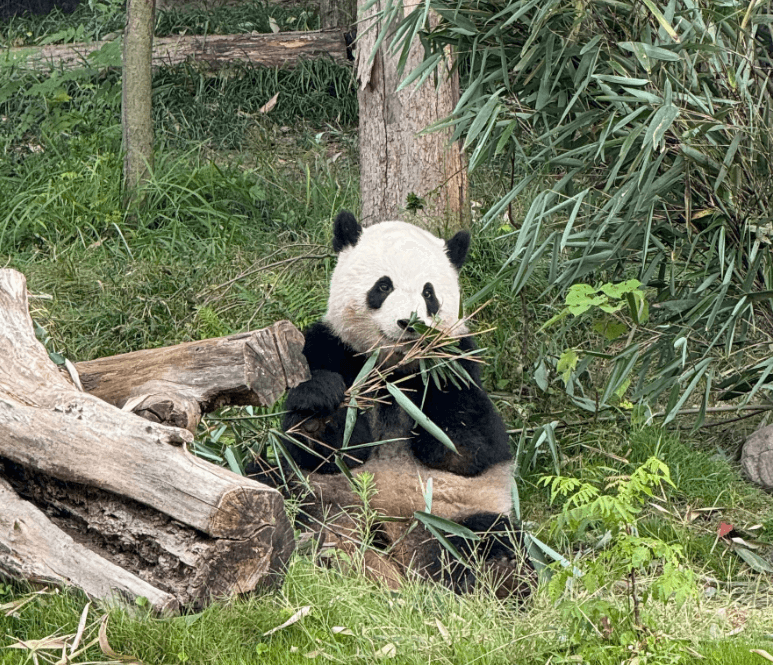
All day Begin your day with a heart-melting visit to the Chengdu Research Base of Giant Panda Breeding, a lush sanctuary dedicated to China’s most beloved animal. Nestled just 10 km from downtown Chengdu, this “Panda Paradise” offers a rare chance to see giant pandas in their naturalistic habitat—especially enchanting during breeding season when newborn cubs make their debut. After lunch, board a high-speed train to Zhangjiajie, where misty mountains and cinematic landscapes await.
Itinerary: Chengdu → Chengdu Research Base of Giant Panda Breeding (120 mins, included electric car) → Take a high-speed train from Chengdu to Zhangjiajie (includes second-class high-speed rail tickets, there is no tour guide on the train)
Meals: Breakfast: Hotel buffet Lunch: Chinese set menu Dinner: On your own
All day Chengdu Research Base of Giant Panda Breeding The base is home to many adorable giant pandas, allowing you to get up close and personal with these beloved national treasures. Located in the northern suburbs of Chengdu, approximately 10 kilometers from the city center, the base is designed to fully simulate the pandas' natural habitat, featuring lakes, streams, bamboo forests, and lawns. The base also features numerous "Panda Villas," enclosed recreational areas for the pandas. These villas feature both open[1]air gardens and indoor rest areas. In cool weather, the pandas play in the gardens, allowing visitors to admire the adorable creatures through railings. In hot weather, the pandas retreat to the air-conditioned rest areas, requiring only viewing through glass.
Night Hotel: Zhangjiajie Pullman Hotel; similar
All day Step into a surreal dreamscape at Zhangjiajie National Forest Park, the inspiration behind the floating mountains in Avatar. With over 3,000 sandstone peaks, this UNESCO World Heritage Site offers jaw-dropping views and tranquil trails. Cap off the day with “Charming Xiangxi,” a dazzling evening performance that celebrates the region’s ethnic heritage through music, dance, and storytelling.
Itinerary:
Meal Arrangement: Lunch: Savor a variety of Chinese mixed dishes, including vegetarian options Dinner: Indulge in a regional specialty: the flavorful Doll Fish Feast, a local delicacy served with seasonal sides
All day Zhangjiajie National Forest Park Zhangjiajie National Forest Park is China's first national forest park (1982), famous for its more than 3,000 quartz sandstone peak forest wonders, and is listed as a World Natural Heritage Site. The park covers an area of 4,810 hectares, and the core landscape includes the "First Bridge in the World", the Golden Whip Creek Canyon and the prototype Qiankun Pillar of the "Avatar Suspended Mountain". Rare species such as Gongtong are preserved here, with a forest coverage rate of 98%, and macaques can be seen leaping among the cloudy peaks and forests. After the movie "Avatar" was filmed here, the fantasy terrain of "Pandora" attracted global attention. The unique "Zhangjiajie topography" has become a proper noun in geology and is a paradise for photographers and hikers.
Golden Whip Stream Golden Whip Creek is the essence of Zhangjiajie National Forest Park and is known as "one of the most beautiful canyons in the world". This 7.5-kilometer-long stream winds between strange peaks and cliffs, named after Golden Whip Rock, and is known for its crystal clear streams, pristine and quiet ecological environment and unique sandstone peak forest landscape. As an important component of the World Natural Heritage, Golden Whip Creek not only gives birth to rich animal and plant resources, but also is known for its wonder of "thousands of years of drought and continuous rain for ten thousand years". When you walk along the stream, you can enjoy the strangely shaped peaks and forests such as "Condor Whip" and "Splitting the Mountain to Save the Mother", listen to the natural symphony of gurgling water and birdsong, and feel the comfort of "people walking in paintings", which is an excellent place to experience the beauty of Zhangjiajie's original ecology.
Yuanjiajie Yuanjiajie is the core scenic area of Zhangjiajie National Forest Park, renowned worldwide for its unique status as a World Natural Heritage Site and a World Geopark. Here, the Qiankun Pillars, the prototype of the "Hallelujah Mountain" in the film "Avatar," stand tall. A myriad of sandstone peaks rise from the ground, forming a breathtaking geological wonder. As the epitome of the Wulingyuan Scenic Area, Yuanjiajie boasts natural wonders such as the "World's First Bridge" and is renowned for its three-dimensional canvas of seas of clouds, peaks, and secluded valleys. Strolling along the cliff path a thousand meters above sea level, you'll enjoy 360-degree views of iconic sights like the "Southern Sky Pillar," creating a breathtaking experience of "traveling within a painting." This is the perfect place to experience the charm of Zhangjiajie's "Three Thousand Strange Peaks."
Tianzi Mountain Tianzi Mountain is the essence of Zhangjiajie National Forest Park, known as the "King of Peaks and Forests", famous for its spectacular sandstone peaks and forests and the wonders of the sea of clouds. As the core area of the World Natural Heritage, it not only has iconic landscapes such as "Yubi Peak" and "Fairy Scattering Flowers", but also the birthplace of the legend of Tujia heroes to Wang Tianzi, giving this landscape a profound cultural heritage. When you climb Tianzi Mountain, you can overlook the shocking scene of thousands of stone peaks pointing to the sky, the clouds and mist in spring are like a fairyland, and the snow-covered peaks and forests are like ink in winter. Standing on the observation deck of Helong Park and overlooking, you can also enjoy the majestic momentum of the "West Sea Peak Forest", which is an excellent place to appreciate the beauty of Zhangjiajie's "expanded bonsai and shrinking wonderland".
Night Hotel: Zhangjiajie Pullman Hotel; similar
All day Your final day begins with a thrilling ascent to Tianmen Mountain via the world’s longest cableway. Walk along the glass plank road suspended over the cliffs, gaze into the abyss, and marvel at the natural arch of Tianmen Cave. In the afternoon, explore the Junsheng Painting Institute, where local artists transform sand and stone into breathtaking three-dimensional landscapes. Try your hand at creating your own mini masterpiece. After lunch, we’ll escort you to the airport for your flight home—your heart full, your camera packed, and your soul stirred by China’s most magical landscapes.
Process Schedule: Tianmen Mountain National Forest Park (4~5 hours) → Sand and Gravel Painting Exhibition Hall of the Military Sound Painting Academy (1 hour) → Fly from Zhangjiajie to Beijing (NO Tour guide on the airplane)
Meal Arrangement: Breakfast: Enjoy a nourishing start at your hotel. Lunch: Savor a local specialty: the Flavored Mushroom Feast, featuring wild mushrooms and seasonal vegetables. Dinner: Not included tonight, giving you the freedom to explore Zhangjiajie’s culinary scene. Your guide can recommend nearby restaurants.
Upon arrival in Beijing, your tour guide will meet you at the airport and take you to your hotel for check-in.
All day Tianmen Mountain National Forest Park "Visit" Zhangjiajie's new legend "Tianmen Mountain National Forest Park", experience the thrill of soaring into the clouds, watch the top of Zhangjiajie, overlook the panoramic view of Zhangjiajie, watch the wonderful and beautiful bonsai garden, and the world's highest natural cave through the mountain - Tianmen Cave. Tourist attractions: Li Na Villa, Yunmeng Xianding, Gongtong Garden, Tianmen Mountain Glass Plank Road, Kunpeng Peak, Volley Plank Road, Tianmen Turning Water, North Overlooking Tianmen, Tianmen Cave, Upper Tian Ladder, Tianmen Mountain Tongtian Avenue, Tianmen Mountain Cableway, Tianmen Mountain National Forest Park.
Junsheng Painting Institute China's first art museum with natural sand and gravel as the creative medium, with a collection of more than 500 original sand and gravel paintings. The artist uses Zhangjiajie's unique quartz sandstone to freeze the landscape clouds and mist through layered pasting techniques, forming a unique "three-dimensional Chinese painting" effect. The treasure of the town hall, the "Wulingyuan Scenic Map", took 3 years to perfectly restore the three thousand strange peaks of Zhangjiajie with sand and gravel. There is an interactive experience area in the museum, where visitors can make mini sand and stone paintings by themselves.
Night Hotel: Wanda Realm Beijing; Beijing Celebrity International Grand Hotel (Bird's Nest Branch); similar
Morning Breakfast Breakfast Included
Include two breakfasts per room
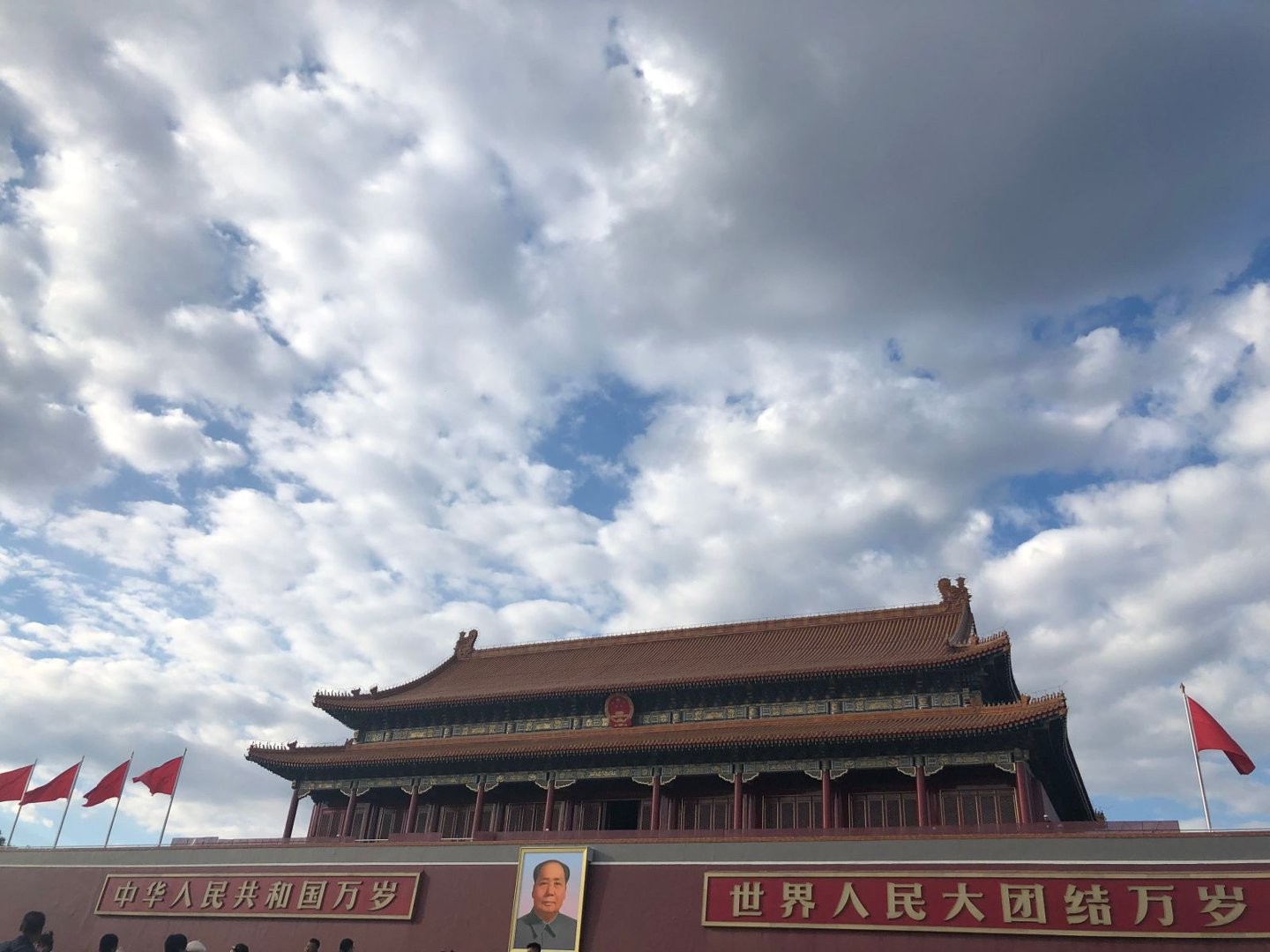
All day Today we will visit the capital of China - Beijing. Tiananmen was the main gate of the Beijing imperial city during the Ming and Qing dynasties. It was first built in the 15th year of Yongle in the Ming Dynasty (1417). At the northern end of Tiananmen Square is the Palace Museum. The Forbidden City in Beijing is one of the largest and best-preserved ancient wooden structures in the world. It is a national 5A-level tourist attraction and was listed as a world cultural heritage site in 1987. Afterwards, we will go to the Royal Garden of the Qing Dynasty in China and the national 5A-level tourist attraction—the Summer Palace.
Itinerary:
All day Tiananmen Square Tiananmen Square is a city square in the city center of Beijing, China, named after the eponymous Tiananmen, located to its north, which separates it from the Forbidden City. The square contains the Monument to the People's Heroes, the Great Hall of the People, the National Museum of China, and the Mausoleum of Mao Zedong. Mao Zedong proclaimed the founding of the People's Republic of China in the square on October 1, 1949, the anniversary of this event is still observed here. The size of Tiananmen Square is 765 x 282 meters (215,730 m2 or 53.31 acres). It has great cultural significance as it was the site of several important events in Chinese history.
The Palace Museum The palace consists of many separate halls and courtyards. The outer buildings of the palace became a museum in 1914, although the imperial family continued to live in private apartments until 1924. In 1925, after the former emperor Puyi of the Qing dynasty was moved out, the Palace Museum was formally established. Many of the halls surrounding the museum are presented as if they had appeared in dynastic times. The main buildings of the museum include the Hall of Supreme Harmony, one of the largest wooden buildings in China. The Hall of Preserving Harmony displays a fine collection of works of art, many from the imperial treasures. Among the more impressive works is a 14-metre- (47-foot-) long Yuan fresco that was taken from the Xinghua Temple. Other areas of the palace contain displays of bronze, sculptures, pottery and porcelain, jade, and silks. Some of the treasures are exhibited in the northeast corner of the palace, known as the Palace of Peace and Longevity.
The Summer Palace Using Kunming Lake, the former reservoir of the Yuan dynasty’s capital and Longevity Hill as the basic framework, the Summer Palace combined political and administrative, residential, spiritual, and recreational functions within a landscape of lakes and mountains, in accordance with the Chinese philosophy of balancing the works of man with nature. Kunming Lake contains three large islands, corresponding to the traditional Chinese symbolic mountain garden element, the southern of which is linked to the East Dike by the Seventeen Arch Bridge. An essential feature is the West Dike with six bridges in different styles along its length. Other important features include temples and monasteries in Han and Tibetan style located on the north side of the Hill of Longevity and the Garden of Harmonious Pleasure to the north-east.
Afternoon Lunch Lunch included
Night Dinner Dinner Special
Night Hotel: Wanda Realm Beijing; Beijing Celebrity International Grand Hotel (Bird's Nest Branch); similar
Morning Breakfast Breakfast Included
Include two breakfasts per room
All day Today, we will go to the Mutianyu Great Wall, a national 5A-level tourist scenic spot, which enjoys the reputation of “the Great Wall, Mutianyu's unique beauty". The wall of the Great Wall remains intact, which better reflects the ancient charm of the Great Wall and has profound historical value and high cultural value. In 1987, the Mutianyu Great Wall was included in the "World Cultural Heritage" list by UNESCO. After that, we will go to the Beijing Olympic Park, check in the main stadium of the 2008 Beijing Olympic Games, the National Stadium - the Bird's Nest and the National Aquatics Center - the Water Cube.
Itinerary: Beijing → Mutianyu Great Wall (3 hours) → Beijing → Olympic Park: National Stadium & National Aquatics Center (outside visit, 1 hour) → Hotel
All day Mutianyu Great Wall Mutianyu is a section of the Great Wall of China located in Huairou District within the city limits of Beijing 70 kilometers (43 mi) northeast of the center of the city. The Mutianyu section of the Great Wall is connected with Jiankou in the west and Lianhuachi in the east. As one of the best-preserved parts of the Great Wall, the Mutianyu section of the Great Wall used to serve as the northern barrier defending the capital and the imperial tombs. Built mainly with granite, the wall is 7 to 8.5 meters (23 to 28 ft) high, and its top is 4 to 5 meters (13 to 16 ft) wide. Compared with other sections of the Great Wall, Mutianyu Great Wall possesses unique characteristics in its construction. Watchtowers are densely placed along this section of the Great Wall - 22 watchtowers on this 2,250-meter (7,380 ft) stretch.
National Stadium The National Stadium, also known as the Bird's Nest, is an 80,000-capacity stadium in Beijing. The stadium was designed for use throughout the 2008 Summer Olympics and Paralympics. It was used again in the 2022 Winter Olympics and Paralympics. The structural form of the stadium is popularly described as a 'bird’s nest', with its pattern inspired by Chinese-style 'crazed pottery'. Seemingly random, the pattern abides by complex rules for which advanced geometry was defined.
National Aquatics Center The National Aquatics Centre, and colloquially known as the Water Cube and the Ice Cube, is an aquatics center at the Olympic Green in Beijing, China. The facility was originally constructed to host the aquatics competitions at the 2008 Summer Olympics and Paralympics. During the Olympics where it hosted diving, swimming and synchronized swimming events.
Afternoon Lunch Lunch included
Night Dinner Dinner Special
Night Hotel: Wanda Realm Beijing; Beijing Celebrity International Grand Hotel (Bird's Nest Branch); similar
Morning Breakfast Breakfast Included
Include two breakfasts per room
All day This morning, we will go to the national 5A-level scenic spot - the Temple of Heaven, which is the place where the emperors of the Ming and Qing dynasties "worshiped heaven" and "prayed for the valley." It is the largest ancient sacrificial building complex in China. The Temple of Heaven Park is surrounded by two altar walls, which are divided into two parts: "inner altar" and "outer altar.” The "Circular Mound Altar" for offering sacrifices to heaven on the winter solstice, the fasting palace where the emperor lived before offering sacrifices, and the Kagura Department for performing sacrificial ceremonies and music. After lunch, we will take the high-speed train to Xi'an, the ancient capital of 13 dynasties.
Morning Temple of Heaven The Temple of Heaven is an axial arrangement of Circular Mound Altar to the south, opening to the sky with the conically roofed Imperial Vault of Heaven immediately to its north. This is linked by a raised sacred way to the circular, three-tiered, conically roofed Hall of Prayer for Good Harvests further to the north. Here at these places the emperors of the Ming and Qing dynasties as interlocutors between humankind and the celestial realm offered sacrifice to heaven and prayed for bumper harvests. To the west is the Hall of Abstinence where the emperor fasted after making sacrifices. The siting, planning, and architectural design of the Temple of Heaven as well as the sacrificial ceremony and associated music were based on ancient tenets relating numbers and spatial organization to beliefs about heaven and its relationship to people on earth, mediated by the emperor as the “Son of Heaven”. Other dynasties in China have built altars for worshipping the heaven, but the Temple of Heaven in Beijing is the masterpiece of ancient Chinese culture and is the representative work of numerous sacrificial buildings in China.
Afternoon Lunch Lunch included
Night Dinner Dinner Special
Night Hotel: Wyndham Grand Xi'an South; Crowne Plaza Xi'an (Xiaoyanta Xi'an Museum Branch); Sofitel Xi'an People's Building (Zhonggulou Wulukou Metro Station); similar
Morning Breakfast Breakfast Included
Include two breakfasts per room
All day Today we will first go to the national 5A-level tourist attraction and the first batch of national first-level museums - Qinshihuang Terracotta Warriors and Horses Museum. It is based on the Terracotta Warriors and Horses of Qin Shihuang, and it is a site museum built on the original site of the Terracotta Warriors and Horses Pit. It is also the largest ancient military museum in China. In December 1987, UNESCO included the Mausoleum of the First Qin Emperor (including the Terracotta Warriors and Horses Pit) in the "List of World Cultural Heritage". Then go to the national 5A-level tourist attraction - Huaqing Palace, also known as "Huaqing Pool", with Lishan Mountain in the south and Weishui River in the north. It is well-known at home and abroad for its unchanging hot spring resources, the historical allusions of the princes of the Fenghuo Opera, the love story between Tang Minghuang and Yang Guifei, and the place where the "Xi'an Incident" took place, and has become a landmark scenic spot for Chinese Tang Palace cultural tourism. After returning to downtown Xi’an, we will first go to Bell and Drum Tower Square and Huimin Street. On the east side of the square is the Bell Tower with a history of more than 600 years, and on the west side is the largest Drum Tower in the country; Huimin Street is the concentration of Xi’an snacks. In the Muslim area, you can still feel a strong Muslim atmosphere here. Afterwards, we will visit the Big Wild Goose Pagoda in the Da Ci'en Temple. The Big Wild Goose Pagoda is the earliest and largest brick pagoda with square pavilions in the Tang Dynasty. It is a typical material evidence of the integration of Chinese culture, and it is a landmark building that condenses the wisdom of the ancient Chinese working people. Finally, we came to the only large pedestrian street imitating Tang Dynasty buildings in the country with the background of Tang culture - Datang Everbright City, which is also a landmark scenic spot in Xi'an.
Itinerary: Xi'an → Qinshihuang Terracotta Warriors and Horses Museum (3 hours) → Huaqing Palace (1 hour) → Muslim Street (1 hour) → Bell and Drum Tower Square (30 mins) → Da Ci'en Temple & Big Wild Goose Pagoda (1 hour, Big Wild Goose Pagoda does not include tower boarding tickets) → Free time at Datang Everbright City
All day Mausoleum of the First Qin Emperor Located at the northern foot of Lishan Mountain, 35 kilometers northeast of Xi'an, Shaanxi Province, Qinshihuang Mausoleum is the tomb of Emperor Qinshihuang, founder of the first unified empire in Chinese history during the 3rd century BCE. As the tomb of the first emperor who unified the country, it is the largest in Chinese history, with a unique standard layout and has a large number of exquisite objects. It testifies to the founding of the first unified empire- the Qin Dynasty. The grave mound, sites of constructions, burial tombs and burial pits in Qinshihuang Mausoleum truthfully maintain their original location, material, formation, technology and structure, which authentically reflect the constricting regulation of the Mausoleum and palace life along with military systems of the Qin Dynasty. The numerous unearthed cultural relics reflect the highest technical level of pottery, chariot assembly, metallurgy, and metal processing in the Qin Dynasty.
Huaqing Palace Huaqing Palace, also known as Huaqing Hot Springs, is a well-known historic site and an AAAAA tourist attraction of China. It gets its fame for being the place where the romantic story of Emperor Tangxuanzong of Tang Dynasty (618-907) and his beloved Yang Guifei (or Concubine Yang) took place. As a matter of fact, the site had been as an imperial palace for emperors' short stays away from the capital for more than 3000 years. Emperors of Zhou, Qin, Han, Sui and Tang dynasties spent the winter at this place every year. Emperor Zhouyouwang of Western Zhou Dynasty (1046BC-771BC) is said to be the first emperor who ordered to build a palace at the site. In the following dynasties, the palace was repaired and expanded for several times, given the name of "Hot Spring Palace" and finally denominated "Huaqqing Palace" by Emperor Tangxuanzong. The palace was constructed above hot springs; hence the site is also called "Huaqing Hot Springs".
Huimin Street Muslim Street of Xi'an, known as Huimin Jie as well by Chinese, is a Muslim community in the city. The district houses the architectures in the style of Ming and Qing dynasties. The Drum Tower is located in the south and memorial archway is located in the north, embracing many ancient courtyards as well as some 10 mosques in diverse sizes that built in different time. It is also where there are about 20,000 Muslims retaining their pristine religious tradition and lifestyle. Huimin Street is a famous "snack street" due to its rich delicious local Xi'an delicacies and typical Shaanxi snacks that are concentrated here. It attracts visitors home and abroad. This featured bluestone-paved old street is also the favorite haunt for locals because of the tastiest food and leisure atmosphere.
Bell Tower and Drum Tower Square The Bell Tower and Drum Tower Square are located at the intersection of East, West, South and North Avenue. According to research, this was once the site of Shangshusheng (Department of State Affairs) during the Tang Dynasty. On the north side of the square, there are a number of prestigious and long-established shops; and under the square is the Century Golden Flower Mall. In addition, there is a musical fountain built on the Bell Tower.
Dayan Pagoda Giant Wild Goose Pagoda or Big Wild Goose Pagoda is a monumental Buddhist pagoda located in southern Xi'an, Shaanxi, China. It was built during the Tang dynasty and originally had five stories. It was rebuilt in 704 during the reign of Empress Wu Zetian and its exterior brick facade was renovated during the Ming dynasty. One of the pagoda's many functions was to hold sutras and figurines of Gautama Buddha that were brought to China from India by the seventh-century Buddhist monk, scholar, traveler, and translator Xuanzang. Today, the interior walls of the pagoda feature engraved statues of Buddha by the renowned 7th-century artist Yan Liben. This pagoda was added to the World Heritage List, along with many other sites along the Silk Road, as part of the "Silk Roads: the Routes Network of Chang'an-Tianshan Corridor" site in 2014.
Grand Tang Dynasty Ever-bright City Grand Tang Dynasty Ever-bright City is located between the Giant Wild Goose Pagoda and Tang Paradise, full of Tang stylistic elements. Ever-bright City's Central Axis View Avenue is a 1,500-meter central and sculptured pedestrian street that runs from the north and south. It is surrounded by nine groups of themed groups such as the emperor, historical figures, heroic stories, and classic works of art, offering three-dimensional representations of the Tang Dynasty's supremacy in the fields of religion, art, science and technology and to highlight the great country.
Afternoon Lunch Lunch included
Night Dinner Dinner Special
Night Hotel: Wyndham Grand Xi'an South; Crowne Plaza Xi'an (Xiaoyanta Xi'an Museum Branch); Sofitel Xi'an People's Building (Zhonggulou Wulukou Metro Station); similar
All day Today, we will climb the ancient city wall of Xi'an from the south gate, Yongning Gate, which is a national 5A-level tourist attraction. The city wall of Xi'an completely surrounds the "defense" strategic system. The thickness of the city wall is greater than its height, and it is as stable as a mountain. Xi'an City Wall, the oldest and best-preserved ancient city wall in the world, continues the historical context of the entire ancient capital Chang'an, and blooms its magnificence, magnificence and broadness to the world with its unique charm, showing the world The profundity, wisdom and inclusiveness of the ancient capital. After lunch, we will fly to Shanghai.
Itinerary:
Meal Arrangement: Lunch: Include Dinner: Not include
Morning Yongning Gate The south gate of the Xi’an City Wall is Yongning Gate. It’s often referred to as South Gate. The gate was constructed during the early years of the Sui Dynasty. It is the city gate that has been around the oldest in Xi’an. It is the gate that is on the east side of the three gates of the imperial city for the Sui Dynasty. The Chinese people have the belief that the south is where you will find the god of fire. Thus the south gate, which is known as Yongning, is intended to be used to pray to god of fire.
Night Hotel: DoubleTree by Hilton Shanghai East Jinjiang; Shanghai Jing'an Kunlun Hotel; Jin Jiang Hotel; Wyndham Shanghai Pudong; similar
All day Today we will end our pleasant 17-day trip. You can book a suitable flight to leave the Shanghai Pudong International Airport(PVG) OR Shanghai Hongqiao International Airport (SHA) according to your needs. Our staff only provides one drop-off service from the hotel at 7:00 in the morning. If a guest has an earlier flight and needs to leave the hotel before 7:00 to the airport, the guide can help the guest take a taxi.
|
|
Cost Description |
|
Cost includes 1. Transportation during the trip (vehicle type will be determined by the number of participants on the day); 2. Eleven nights of five-star hotel accommodations during the trip; 3. English speaking tour guide; 4. Breakfasts throughout the trip and 25 meals as specified in the itinerary; 5. Economy class airfare from Shanghai to Wudang Mountain, Economy class airfare from Wudang Mountain to Chengdu, round-trip second-class intercity train tickets from Chengdu to Jiuzhaigou, and one-way second-class high-speed rail tickets from Chengdu to Zhangjiajie, Economy class airfare from Zhangjiajie to Shanghai; 6. The itinerary includes activities and first-entry tickets to various attractions: Shanghai Yu Garden, Tai Chi health-preserving exercises, Wudang Mountain (including cable car to Jinding Taihe Palace), Taiji Lake cruise, Huanglong Scenic Area (including cable car and electric car), Jiuzhaigou National Park (including eco-friendly bus), Dujiangyan Irrigation Project (including electric car), Giant Panda Breeding Research Base (including electric car), Du Fu Thatched Cottage, Zhangjiajie National Forest Park, Tianmen Mountain National Forest Park, Tianmen Mountain escalator with shoe covers, Tianzi Mountain Cableway, Bailong Elevator, standard seats for the Charming Xiangxi performance, Palace Museum, Summer Palace (cruise tour fee included), Mutianyu Great Wall, Temple of Heaven; Mausoleum of the First Qin Emperor, Huaqing Palace, Da Ci'en Temple, Xi'an Ancient City Wall.
Cost excludes 1. Round-trip airfare to and from China, airport taxes, and visa fees; 2. Service fee ($15/person/day, children and infants occupying seats pay the same adult rate); 3. Personal expenses in the hotel room (laundry, telephone charges, etc.); 4. All personal expenses not included in the travel fee.
|
|
Booking limit |
|
1、Age limit:【No limit】; 2、Need ID number for reservation or not:【Not needed】; |
|
Cancellation Policy |
|
1. If the tour is unable to be visited due to force majeure factors such as weather, war, strike, etc., the company will have the right to change the itinerary and refund the attraction ticket fees (except for free self-paid items), and the registration fee will not be refunded; 2. If the guest cancels the trip due to personal reasons, the travel expenses incurred must be paid according to the following standards: a. 35 to 16 days before the start of the trip, 20% of the total travel cost; b. 15 to 7 days before the start of the trip, 40% of the total travel cost; c. 6 days before the start of the trip, 100% of the total travel cost.
|
|
Know Before You Book |
|
Know Before You Book 1. Customer under 18 years old MUST be accompanied by at least one adult. In consideration of the guest safety, pregnant women are only allowed to join the tour if pregnant for 24 weeks or less by the end of the trip. 2. Please be sure to provide accurate and complete information upon booking. This includes name, gender, valid contact information (preferably a mobile phone), accurate flight information, tour location, etc., This helps to avoid any errors upon the reservation because errors affect travel. Any losses due to inaccurate or invalid information will be at your own cost and the company will not be held responsible. 3. Hotels have different room types, such as a King/Queen size beds or two double beds. According to the requirements of some hotels, each group of guests must bring at least one credit card or debit card that can be used at the destination for check-in procedure. If there is no personal consumption, the hotel will refund the deposit to the card within 7-14 working days after check-out. Please be noticed that most of the deposit collection and refund is handled by credit card. JUPITER LEGEND Corporation and Ctour Holiday guarantee the number of rooms for guests but does not guarantee the specific room type and location. Hotel check-in time is usually after 15:00. 4. JUPITER LEGEND Corporation and Ctour Holiday have the right to make appropriate adjustments to the itinerary under the conditions of facilitating the operation for the tour group. This, however, will not reduce the items that should be included in the itinerary. 5. During the actual trip, the tour guide or driver has the right to appropriately adjust the tour sequence, stay time or assembly time of scenic spots according to the weather, traffic, and other conditions to ensure the smooth progress of the trip. 6. If the scenic spots are temporarily closed or closed on a particular holiday, etc., the tour guide will adjust the appearance according to the actual situation or replace the location with another scenic spot to ensure the richness of the itinerary. When the operating hours and capacity restrictions have an impact on the itinerary, it shall be regarded as force majeure. Thank you for your understanding. 7. Normal health conditions are required to participate and enjoy our full itineraries. Contact us for specific policies or information regarding passengers with disabilities and the handicapped who do need to provide advance notification to make a reservation. JUPITER LEGEND Corporation and Ctour Holiday do not guarantee a wheelchair lift-equipped bus and/or seating availability to disabled passengers without prior notification and approval. 8. We may alter these terms and conditions from time to time and post the new version on our agents’ website. It is your responsibility to check the [Terms & Conditions]on their website regularly and prior to making a reservation. Unless specifically stated otherwise herein or required by law, JUPITER LEGEND Corporation shall not be liable for any consequential, compensatory, indirect, incidental or punitive damages arising out of or in connection with the performance of its obligations under these terms and conditions. 9. Due to local customs, the tour guide will sell local specialties on the bus, such as ginger candy, blood-soaked duck, silver jewelry, cinnabar, Jiugui liquor, etc. You are free to buy and there is no pressure.
Know Before You Go 1. The maximal waiting time for any late passengers is 10 minutes beyond the meeting time announced by the Tour Guide. While JUPITER LEGEND Corporation makes every effort to provide on-time service, it does not guarantee to arrive at or depart from any point.as a specific time, which may be affected by any number of factors including weather, traffic, strikes, government shutdowns, war or terrorist attacks, or mechanical prob- lems. JUPITER LEGEND Corporation is not liable for any inconvenience or expense caused as a result of such a delay, not liable for the expense of connecting air or train or bus service missed as a result of a delay and not liable for any other travel expense caused as a result of a delay. 2. JUPITER LEGEND Corporation and Ctour Holiday reserve the right, when operating conditions require, transferring passengers from one vehicle to another en route. 3. The following documents are recommended to make your check-in process smooth: A valid photo ID is required to board the bus; We recommend you bring a copy of the email confirmation to board the bus. 4. This product is a group activity. If you choose to leave the group, please inform in advance, and obtain the consent of the tour guide. You need to sign the departure agreement form and the unfinished part will be regarded as your own abandonment. The group fee will not be refunded. 5. Gift items in the itinerary that cannot be given away due to force majeure factors such as traffic and weather conditions or personal reasons may be subject to change. Please understand that the fees will not be refunded. 6. Pets and animals are not allowed on the vehicle. 7. Only for products with airport pick-up service: only one pick-up service within the free pick-up time range is provided for each order. If it is impossible to arrange due to weather and flight delay, etc., please pay for your own transportation costs. 8. Emergency contact: (Toll Free) +1(866)585-8747.
|